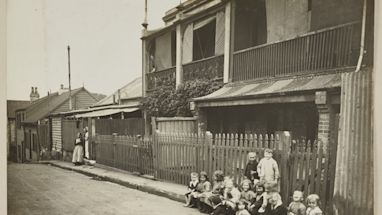
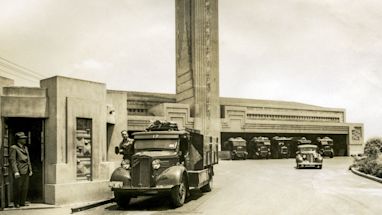
The City of Sydney Archives is marking its 50th anniversary by releasing thousands of newly digitised records that show what life was like in the early 1900s.
The records highlight a city going through major change before World War 1. They cover events such as plague outbreaks and public health campaigns, along with the growth of electric lighting, cinemas and grand department stores.
The City of Sydney set up its archives in 1976, when it appointed its first professional archivist. The archives now care for a vast collection that dates back to 1842, when the municipality of Sydney was formed.
Today, more than half of the one million items in the Archives & History Resources catalogue are available online, with more added regularly.
A recent milestone is the completion of more than 46,000 Town Clerk records from 1900 to 1913. These records are now fully digitised and available to the public.
Responding to crisis

In 1900, Sydney faced an outbreak of bubonic plague. The records show a community on edge. Concerned residents formed groups such as the Citizen’s Vigilance Committee to push for better sanitation and public health. The records also show how the City of Sydney responded. They include files about plague prevention measures and the clearing of areas where disease could spread.
Explore the plague collection.
Building a modern city

As Sydney grew, the need for public infrastructure increased. Concerns about hygiene led the City of Sydney to prioritise public toilets in the early 1900s. Underground facilities for men were built from 1901, but women had to campaign further and wait until 1910 – reflecting changing expectations and ongoing inequalities.
Explore the public toilets collection.
A city lit by electricity

Electricity changed Sydney’s streets, homes and skyline. In 1900, Council set up its Electric Lighting Committee. Pyrmont Power Station began generating electricity in 1904.
At first, 343 street lamps were installed and households could apply to connect. Illuminated signs soon appeared across the city, though not everyone approved.
Electric light was also used to create spectacle, including during the 1908 visit of the American Fleet, when public spaces were dramatically illuminated.
Explore the electricity in the city collection.
Entertainment and changing social norms

New technologies changed how Sydneysiders spent their free time. The growing popularity of cinematographs brought excitement – and concern. Council records show efforts to regulate the storage and handling of highly flammable film as picture theatres spread across the city.
Explore the cinema collection.

Social attitudes were also shifting. Letters about bathing facilities included proposals for mixed bathing for married couples, offering a glimpse into evolving expectations of public life and behaviour.
Explore the baths and swimming pools collection.
Retail and reinvention

In the early 1900s, grand department stores helped reshape Sydney’s retail scene. Records capture key moments, including the devastating 1901 fire at Anthony Hordern & Sons’ Palace Emporium and its rebuilding. They also show the rise of new retail landmarks such as the Mark Foy’s building (now the Downing Centre).
Explore key department store collections:
A nation celebrates

Sydney also played a role in the move toward Federation in 1901. Archive records show the City of Sydney’s involvement in discussions and debates, showing the significance of this moment in Australia’s history.
Explore the federation collection.
Discover the full collection
These newly digitised records give a rich insight into daily life, civic challenges and the decisions that shaped modern Sydney.
You can explore the Town Clerk records and curated collections through the Archives & History Resources catalogue.
Published 9 June 2026